
Strong bones don’t happen by accident. They’re built by a combination of minerals, hormones, diet, and physical stress. While dairy products often get all the attention, research consistently shows that leafy green vegetables provide a superior, more bioavailable source of nutrients essential for long-term bone strength.
Forget the old myth that calcium begins and ends with milk. The real, modern answer to bone density lies in your produce drawer, especially in greens like kale, spinach, collard greens, arugula, bok choy, mustard greens, beet greens, and Swiss chard.
Let’s break down why leafy greens deserve the title of bone-building superfood.
Why Bone Strength Declines and Why Greens Matter
As we age, bone remodeling slows down. After age 30, the body naturally loses more bone tissue than it creates. Men and women both experience this decline, but women lose bone faster due to hormonal shifts.
Here’s what causes bone loss:
-
Decrease in calcium absorption
-
Loss of muscle mass and physical activity
-
Hormonal changes, especially estrogen and testosterone declines
-
Chronic inflammation
-
Poor dietary mineral intake
-
Low intake of vitamins critical for bone metabolism
Leafy greens don’t just address one factor; they support nearly all of them.
The Nutrient Foundation of Bone Health
Bones aren’t just calcium sticks. They’re living tissues made of collagen, minerals, and water. They require:
-
Calcium—mineral density and structure
-
Magnesium – calcium absorption and regulation
-
Vitamin K1: Directs calcium into bones, prevents artery calcification
-
Vitamin C: Collagen production
-
Potassium: Reduces bone leaching caused by acidic foods
-
Antioxidants: Reduce inflammation that speeds bone loss
Leafy greens contain all of these nutrients in forms the body can use efficiently.
Most people know they need minerals like calcium and magnesium for strong bones, yet very few eat enough leafy greens every single day to supply them. If consistency is the problem, a high-quality magnesium formula can act like “nutritional insurance” for your bones.
Why Leafy Greens Beat Calcium Supplements and Dairy
1. Superior Absorption
The calcium in leafy greens like kale and bok choy is more absorbable than milk. Dairy calcium absorption averages around 30%. Certain leafy greens exceed that.
Reason: Greens contain plant compounds that enhance mineral uptake without the digestive burden of lactose or saturated fat.
2. They Provide Vitamin K1, the Missing Bone Factor
Vitamin K1 tells calcium where to go. Without it, calcium can harden arteries instead of strengthening bones.
Greens are the richest natural source of K1.
3. They Supply Magnesium, Not Just Calcium
Magnesium helps convert vitamin D into its active form—needed for calcium absorption. Supplements rarely combine the right ratios. Nature already solved the equation.
4. Anti-Inflammatory Effects Protect Bone Tissue
Inflammation speeds up bone breakdown. Leafy greens contain antioxidants like lutein, zeaxanthin, and beta-carotene that reduce inflammatory stress on bone cells.
5. Low-Acid, High-Mineral Foods Prevent Calcium Loss
High-protein, acidic foods can cause calcium to leach from bone. Greens buffer acidity and protect mineral stores.
Most people understand the importance of nutrients like calcium, magnesium, and vitamin K for bone strength, but very few eat enough leafy greens consistently to supply them. If your diet isn’t perfect every day, a targeted formula such as JointEternal can help bridge the gap. It’s designed to support bone and joint health with ingredients that help nourish connective tissue, maintain mobility, and protect structural integrity as you age. It doesn’t replace real food, it reinforces the foundation, especially when life gets busy and clean eating slips.
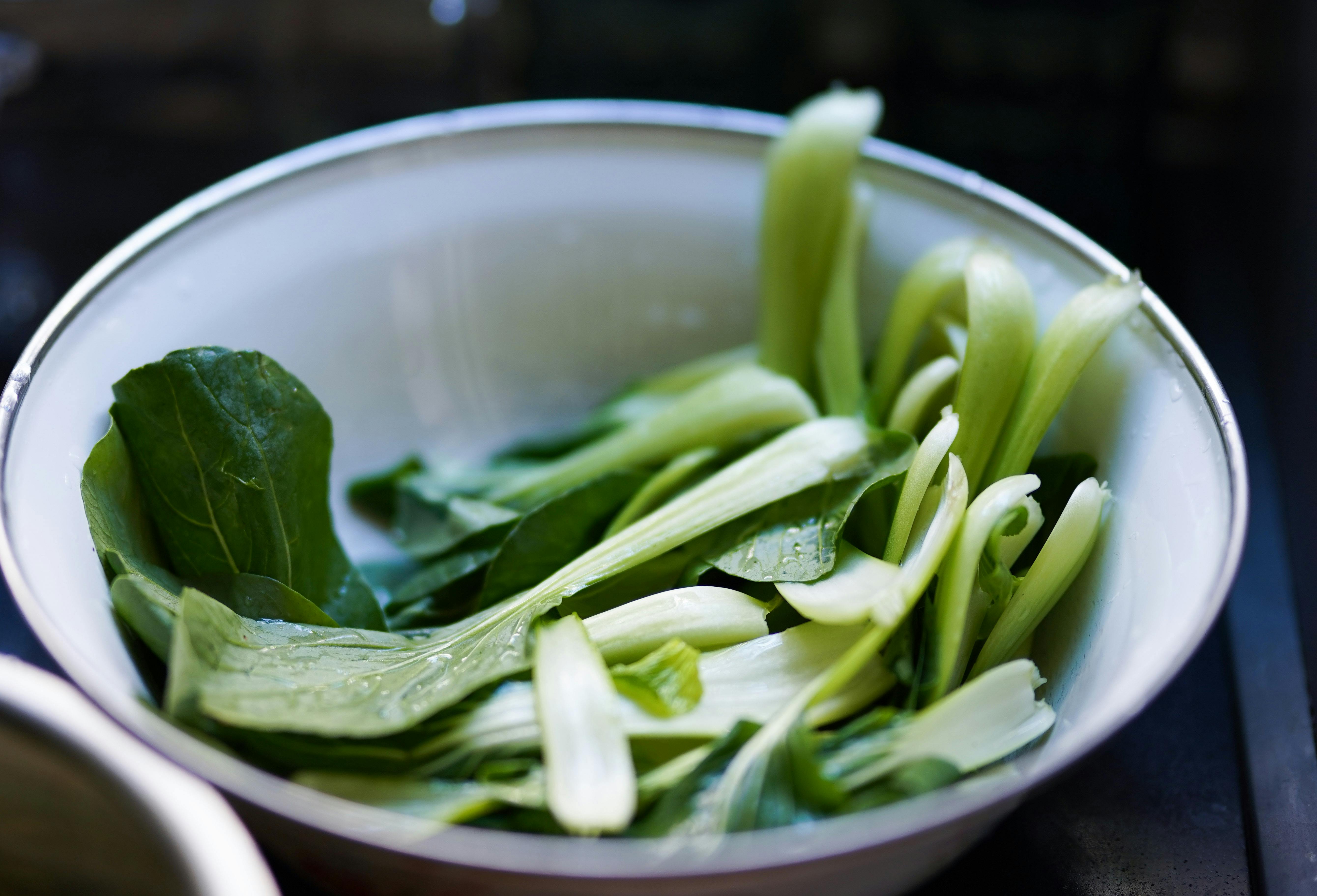
Top Leafy Greens for Strong Bones: Ranked
1. Kale
-
Highly absorbable calcium
-
Packed with vitamin K1
-
Low in oxalates, meaning calcium is not blocked
2. Collard Greens
-
Comparable calcium to dairy
-
Excellent vitamin K content
-
Supports long-term bone remodeling
3. Bok Choy
-
Easily digestible
-
High in calcium and magnesium
-
Ideal for those avoiding dairy
4. Mustard & Turnip Greens
-
Powerful anti-inflammatory compounds
-
Perfect mineral balance
5. Swiss Chard & Beet Greens
-
High magnesium
-
Helps regulate muscle-bone metabolism
6. Spinach
-
High calcium, but also high in oxalates
-
Eat with vitamin C-rich foods to unlock more minerals
How Leafy Greens Influence Hormones and Bone Metabolism
Bone density isn’t just about minerals; hormones control the process.
Leafy greens support hormones that keep bones strong:
-
Testosterone declines weaken bone structure
-
Estrogen regulates bone turnover
-
Vitamin K1 activates osteocalcin, the hormone that binds calcium to bone matrix
-
Magnesium supports reproductive hormone balance
Greens don’t mimic hormones—they support the internal biochemical environment bones require.
Key Points: Why Leafy Greens Are a Bone Superfood
✔ Provide highly absorbable calcium
✔ Rich in vitamin K1, essential for calcium placement
✔ Contain magnesium for vitamin D activation
✔ Reduce inflammation that breaks down bone
✔ Support hormonal regulation
✔ Protect against calcium loss from acidic foods
✔ Offer antioxidants that protect osteoblasts (bone-building cells)
✔ Support collagen formation through vitamin C content
How Much You Need Daily
Aim for 2 cups of leafy greens per day, whether raw or lightly steamed. Rotate different types to avoid nutrient imbalances and ensure broad nutritional coverage.
Best Ways to Add Leafy Greens Without Feeling Like a Rabbit
-
Add kale or spinach to smoothies
-
Stir collards or bok choy into soups
-
Use mustard greens or arugula in salads
-
Sauté Swiss chard with garlic and olive oil
-
Add greens to omelets and wraps
Bones grow from consistent nutrition, not one-time meals.
FAQ
1. Don’t I get enough calcium from milk?
Dairy provides calcium, but leafy greens provide calcium + K1 + magnesium + antioxidants, making them more effective for bone metabolism.
2. Can leafy greens replace supplements?
For many people, yes. They offer a broader nutrient profile than isolated calcium pills.
3. Are green powders the same as whole greens?
They can supplement but not replace whole foods. Whole greens contain fiber and enzymes that powders lack.
4. Is spinach bad because of oxalates?
Spinach is high in oxalates, but combining it with citrus or steaming reduces the impact. Rotate greens rather than relying on one type.
5. How long before I notice stronger bones?
Bone remodeling takes months, but markers of health (energy, digestion, and inflammation) improve within weeks.
Conclusion
Building strong bones isn’t about chugging milk or swallowing chalky supplements. It’s about giving the body the materials and conditions it needs.
Leafy greens deliver everything bones crave: minerals, vitamins, antioxidants, and the signals that tell calcium where to go.
Eat them consistently, and your bones don’t just stay strong; they stay alive, flexible, and resilient.
Most people understand the importance of nutrients like calcium, magnesium, and vitamin K for bone strength, but very few eat enough leafy greens consistently to supply them. If your diet isn’t perfect every day, a targeted formula such as JointEternal can help bridge the gap. It’s designed to support bone and joint health with ingredients that help nourish connective tissue, maintain mobility, and protect structural integrity as you age. It doesn’t replace real food—it reinforces the foundation, especially when life gets busy and clean eating slips.

No comments:
Post a Comment