10/27/24

** Understanding Mental Health: A Comprehensive Guide to Well-Being


**Introduction to Mental Health**

Mental health is an essential aspect of our overall well-being, influencing how we think, feel, and act in our daily lives. It encompasses our emotional, psychological, and social well-being, impacting our ability to handle stress, relate to others, and make decisions. Maintaining good mental health is crucial for living a fulfilling life and achieving our personal and professional goals.

**The Importance of Mental Health**

**Why Mental Health Matters**

Mental health affects every facet of our lives, from our relationships and work performance to our physical health. When our mental health is compromised, it can lead to a range of problems, including anxiety, depression, and other mental health disorders. On the other hand, good mental health enables us to cope with life’s challenges, build strong relationships, and live a productive and satisfying life.

**Mental Health and Physical Health**

There is a strong connection between mental and physical health. Poor mental health can weaken the immune system, making us more susceptible to illnesses. Conversely, physical health problems can also affect mental health, leading to conditions such as chronic stress, anxiety, and depression. This interplay highlights the importance of taking a holistic approach to health and well-being.

**Common Mental Health Disorders**

**Anxiety Disorders**

Anxiety disorders are among the most common mental health conditions, affecting millions of people worldwide. These disorders include generalized anxiety disorder (GAD), panic disorder, social anxiety disorder, and specific phobias. Symptoms often include excessive worry, restlessness, fatigue, and difficulty concentrating.

**Depression**

Depression is a mood disorder characterized by persistent feelings of sadness, hopelessness, and a lack of interest in activities once enjoyed. It can significantly impact daily functioning, making it difficult to carry out everyday tasks. Depression can also lead to physical symptoms such as changes in appetite, sleep disturbances, and chronic pain.

**Bipolar Disorder**

Bipolar disorder is a mental health condition that causes extreme mood swings, including emotional highs (mania or hypomania) and lows (depression). These mood shifts can affect energy levels, behavior, and the ability to think clearly. Bipolar disorder is a lifelong condition that requires ongoing treatment and management.

**Post-Traumatic Stress Disorder (PTSD)**

PTSD is a condition that can develop after experiencing or witnessing a traumatic event. Symptoms include flashbacks, nightmares, severe anxiety, and uncontrollable thoughts about the event. PTSD can interfere with daily life and relationships, making it challenging to function normally.

**Factors Affecting Mental Health**

**Biological Factors**

Genetics, brain chemistry, and other biological factors play a significant role in mental health. Some mental health conditions, such as depression and bipolar disorder, have a genetic component, meaning they can run in families. Additionally, imbalances in brain chemicals, such as neurotransmitters, can contribute to mental health disorders.

**Life Experiences**

Traumatic or stressful life experiences, such as abuse, loss, or a major life change, can trigger or exacerbate mental health problems. These experiences can affect how we perceive the world and cope with challenges, leading to long-term mental health issues if not addressed.

**Family History**

A family history of mental health disorders increases the risk of developing similar conditions. Understanding this risk can help in taking preventive measures and seeking early intervention if symptoms arise.

Strategies to Managing Mental Health


**Self-Care Practices**

Self-care is a vital component of maintaining good mental health. It involves taking time for activities that promote relaxation, reduce stress, and improve overall well-being. Regular exercise, a healthy diet, adequate sleep, and mindfulness practices like meditation are all effective self-care strategies.

**Seeking Professional Help**

Sometimes, managing mental health on your own may not be enough, and professional help is necessary. Therapists, counselors, and psychiatrists can provide support, treatment, and guidance for dealing with mental health challenges. Seeking help is a sign of strength and an important step toward recovery.

**Building a Support System**

Having a strong support system of friends, family, and peers can make a significant difference in managing mental health. Social connections provide emotional support, reduce feelings of isolation, and can offer different perspectives on coping with stress.

**Mindfulness and Relaxation Techniques**

Practicing mindfulness and relaxation techniques, such as deep breathing exercises, yoga, and progressive muscle relaxation, can help manage stress and improve mental health. These practices promote a sense of calm, enhance self-awareness, and reduce the impact of negative thoughts and emotions.

**Overcoming the Stigma of Mental Health**

**Understanding Stigma**

Despite the growing awareness of mental health, stigma remains a significant barrier to seeking help. Stigma can lead to discrimination, shame, and a reluctance to talk about mental health issues, further exacerbating the problem. It's essential to challenge these misconceptions and encourage open discussions about mental health.

**Promoting Mental Health Awareness**

Education and awareness are key to reducing stigma. By learning more about mental health and sharing accurate information, we can help dispel myths and encourage a more supportive and understanding environment for those affected by mental health conditions.

**Encouraging Open Conversations**

Talking openly about mental health with friends, family, and colleagues can help normalize the conversation and reduce stigma. Encouraging others to share their experiences and offering support can create a more inclusive and empathetic community.

**Conclusion**

Mental health is a crucial aspect of our overall well-being, affecting how we think, feel, and interact with the world around us. By understanding the importance of mental health, recognizing the factors that influence it, and implementing effective management strategies, we can lead healthier, more fulfilling lives.

 Overcoming the stigma surrounding mental health and encouraging open conversations are vital steps in creating a more supportive and understanding society.

10/23/24

Unlocking the Health Benefits of Moringa: A Superfood Revolution


I never thought I'd be this excited about a plant, but after incorporating moringa into my daily routine, I can't help but share my enthusiasm. This incredible superfood, often called the "miracle tree," has been transforming lives across the globe, and it's about time we paid attention to what our ancestors have known for centuries.

Nature's Nutritional Powerhouse

Let's get real – moringa isn't just another trendy superfood. Gram for gram, these humble leaves pack more protein than yogurt, more calcium than milk, more iron than spinach, and more vitamin C than oranges. As someone who's always on the hunt for natural ways to boost my health, discovering moringa was like striking gold.


Watch the video...


The Benefits That Changed My Mind

When I first heard about moringa, I was skeptical. But the research backs up the hype:

**Natural Energy Boost**: Forget your afternoon coffee – moringa provides steady, jitter-free energy that lasts all day.

**Immune System Support**: Packed with antioxidants and vitamin C, it helps your body fight off those seasonal bugs.

**Anti-inflammatory Properties**: Great news for anyone dealing with joint pain or inflammatory conditions.

**Blood Sugar Management**: Studies suggest it helps maintain healthy blood sugar levels.

**Skin Health**: The vitamin A and E content makes it a natural beauty booster.

From Traditional Medicine to Modern Superfood

What fascinates me most about moringa is its rich history. Communities across Asia and Africa have been using every part of this tree – from its leaves to its seeds – for generations. Now, science is catching up to what traditional healers have known all along.

How to Make It Part of Your Life

I've found that incorporating moringa into my daily routine is surprisingly easy. A spoonful of powder in my morning smoothie, a sprinkle over my salad, or even as a refreshing tea – the possibilities are endless. And the best part? You don't need much to reap the benefits.

Quality Matters

Here's something I've learned through experience: not all moringa products are created equal. The key is finding a high-quality source that processes the leaves carefully to preserve their nutritional value.

Ready to Transform Your Health?

If you're like me, always looking for natural ways to boost your health, moringa deserves a spot in your wellness toolkit. Our premium moringa powder is sourced from organic farms, carefully processed to maintain maximum nutritional value, and tested for purity.

Don't miss out on this green gold mine. Take the first step toward better health today – your body will thank you. Order now and get 15% off your first purchase with code MORINGA15. Join thousands of satisfied customers who have already discovered the power of this remarkable superfood.

Remember, investing in your health is the best investment you can make. Try our moringa powder risk-free with our 30-day satisfaction guarantee. Your journey to better health starts with one simple choice.


*Transform your health naturally – order your premium moringa powder today.*


9/18/24

Understanding “Functional Freeze”


Discussing mental health has become more accepted in recent times, yet it remains a complex and nuanced topic. Many people grapple with feelings that are difficult to articulate, like detachment from daily activities, increased anxiety, emotional numbness, or excessive scrolling through social media. If you relate to these experiences, you may be encountering a phenomenon known as "functional freeze."

Stress Responses

When we face stressful situations, our bodies have several ways to react. You might be familiar with the "fight-or-flight" response, which prepares us to confront or escape danger. However, there are additional responses, including "fawn" and "freeze." While "fight" and "flight" are often discussed, "freeze" is less commonly referenced. This reaction involves a sudden halt in response—much like the characters in *Jurassic Park* who freeze when confronted by a dinosaur. Unfortunately, this freeze response can be triggered by various stressors in daily life.

What is Functional Freeze?

Functional freeze is a less recognized emotional state that affects individuals both mentally and physically, often without displaying the typical signs of anxiety or depression. Although it's not yet an official clinical term, it is gaining recognition in the mental health community due to its prevalence. This state can leave individuals feeling mentally, physically, and emotionally paralyzed while they continue to perform daily tasks. If you find simple activities like meeting friends or responding to messages increasingly burdensome, you might be experiencing functional freeze. 

 
Often likened to operating on "autopilot," this condition does not result in total shutdown. People in this state can manage basic functions—such as going to work or interacting with others—but their overall performance may decline. Psychologist T.M. Robinson-Mosley notes that while these individuals might appear fine, they often feel significantly different on the inside, struggling with stress, burnout, or unresolved trauma.

Signs of Functional Freeze

Identifying functional freeze can be challenging, as it manifests differently in everyone. Here are some common signs that may indicate you’re experiencing this state:

- **Persistent Anxiety**: A constant feeling that something terrible is imminent can be overwhelming. This low-level anxiety, often without a clear cause, is a key indicator of functional freeze.

  - **Procrastination**: Tasks like chores, work assignments, and self-care may fall by the wayside, even when you want to tackle them. This procrastination can lead to increased anxiety as responsibilities pile up.

  - **Social Withdrawal**: If you find yourself frequently canceling plans or ignoring calls and messages, it could be a sign of functional freeze. The urge to isolate increases, and social interactions may feel exhausting.

  - **Physical Exhaustion**: Even simple physical tasks may feel daunting. If you struggle to engage in activities you know would lift your spirits, you might be in a state of freeze.

  - **Emotional Numbness**: When activities that once brought joy no longer have an effect, it can signal functional freeze. This emotional detachment often leads to feelings of being overwhelmed.

 How to “Unfreeze”

The good news is that functional freeze is not a permanent condition. With the right strategies, you can reclaim control over your life. Here are some helpful tips to help you “unfreeze”:


1. **Get Moving**: Engaging in physical activity can significantly boost your mental well-being. Activities like yoga, stretching, or even walking can help ease stress. Joining a gym or a class can also provide structure and motivation.

2. **Slow Down**: While staying active is important, finding balance is crucial. Mindfulness practices like deep breathing and meditation can reconnect you with your emotions and surroundings, reducing feelings of dissociation.

3. **Connect with Nature**: Spending time outdoors has been shown to lower stress levels and improve mood. Activities like walking barefoot in the grass can enhance relaxation and help you break free from a sedentary routine.

4. **Get Organized**: Keeping to-do lists, journaling, and establishing a daily schedule can combat feelings of overwhelm. Setting achievable goals can foster motivation and create healthier habits.

Recognizing and managing the symptoms of functional freeze is essential, as they can lead to more severe issues like anxiety or depression. If you find it challenging to “unfreeze,” consider reaching out to a mental health professional for support.


It’s the reason why Japanese seniors have…

  • 🧠 The world’s HEALTHIEST brains…
  • 💡 Perfect memory (even in their 90s)
  • 🚬 Even though they drink alcohol & smoke daily…

Even better…

This “Japanese bean” is tasty and now available to anyone (for less than $0.79 cents):

 >> Eat THIS “Japanese bean” to END senior moments.

7/18/24

The Benefits of Fasting: Exploring Different Methods for Detoxification


Fasting is a beneficial habit that is essential to our everyday lives and goes beyond being merely a dieting strategy. By eliminating dangerous toxins from your body and enhancing general wellbeing, this technique can successfully detoxify your body. 

A balanced state within your body can be achieved by a variety of fasting techniques, which can improve your life in numerous ways. Water fasting, juice fasting, vegetable fasting, cutting back on meals, taking herbal baths or mixtures, vitamin therapy, and colon cleaning are examples of common cleansing techniques. Regular practice is essential to maximizing the effects of these detoxifying approaches. But before beginning any fasting program, always get medical advice, especially if you have any underlying medical issues.

Water Fasting

One of the hardest fasting techniques is water fasting, which entails consuming nothing but water for a predetermined amount of time. Even though maintaining this strict fasting regimen can be challenging, it frequently produces noteworthy outcomes. Water fasting is a tough practice, therefore it's important to approach it carefully and prepare beforehand.

Juice Fasting

Juice fasting, which involves consuming fresh vegetable or fruit juices, is a more tolerable type of fasting. These drinks are full of vital vitamins, minerals, and nutrients that help your body get clean by removing toxins. Furthermore, because these fluids are easily digested, the energy of the digestive enzymes is preserved and can be utilized for other biological processes. Fasting on juice is thought to improve general health and perhaps help treat serious diseases like cancer.


Honey, Lemon, and Water Fasting

When combined with water, lemon, and honey, a fasting routine offers vital nutrients that support your health and help your body detoxify. This technique makes it easier to have regular, easy-to-go bowel movements, which helps you get rid of waste and feels better all around.

Vegetable Fasting

Consuming raw fruits, vegetables, and salads during a vegetable-based fast can have a substantial positive impact on your health. This method lowers calorie intake while supplying vital nutrients and helping in the removal of toxic waste from your system. In order to optimize the detoxification process, it is advised to refrain from consuming an excessive amount of starchy meals during this fast.

Eating Less

Digestion can be improved by making it a habit to eat fewer meals and to leave some room in your stomach afterward. Overindulging might result in uncomfortable side effects including belching and slower-than-expected digestion, which can lead to digestive problems. Eat less since it will help your body digest meals more quickly and lower your chance of digestive issues.

Precautionary Measures

Although there are many health advantages to fasting, it is important to proceed with caution and take the necessary precautions to ensure safety. Before beginning any fasting regimen, always get medical advice, especially if you have any underlying medical concerns. Individuals bear the responsibility for safely engaging in fasting practices.

Finally, fasting has the potential to be an effective method for improving your general health and purifying your body. You can discover the fasting strategy that best fits your needs and way of life by investigating several ways. Prioritize safety above everything else, and speak with your physician to ensure a safe and beneficial fasting experience.


6/06/24

Unlocking Your Subconscious Mind: 6 Simple Techniques


The subconscious mind holds immense power, yet it often remains untapped in our daily lives. By learning to access and harness this reservoir of potential, we can unlock new levels of creativity, insight, and personal growth. Here are six simple techniques to tap into your subconscious:

1. **Visualization**: Visualizing your goals and desires vividly can communicate directly with your subconscious mind. Take time each day to visualize your ideal outcomes in detail, using all your senses to immerse yourself in the experience. As you consistently reinforce these images, your subconscious will work tirelessly to bring them to completion.

2. **Mindfulness Meditation**: Through mindfulness meditation, you can cultivate awareness of your thoughts and emotions, creating space for your subconscious mind to surface. Practice regular meditation sessions, focusing on your breath and observing the thoughts that arise without judgment. This practice can help you uncover hidden beliefs and patterns buried deep within your subconscious.

3. **Affirmations**: Affirmations are positive statements that affirm the reality you desire. By repeating affirmations regularly, you can reprogram your subconscious mind to align with your goals and aspirations. Choose affirmations that resonate with you personally and recite them daily with conviction and belief.

4. **Journaling**: Journaling provides a powerful outlet for exploring your subconscious thoughts and emotions. Set aside time each day to write freely, allowing your thoughts to flow without censorship. Pay attention to recurring ways and patterns that emerge, as these can offer valuable insights into your subconscious mind.

5. **Dream Analysis**: Your dreams offer a window into your subconscious mind, revealing hidden fears, desires, and unresolved issues. Keep a dream journal by your bedside and record your dreams immediately upon waking. Take note of recurring symbols and ways, and reflect on their significance in relation to your   life.

6. **Hypnosis**: Hypnosis is a powerful tool for accessing the subconscious mind and inducing deep states of relaxation and willingness. Seek out a qualified hypnotherapist or explore self-hypnosis techniques to tap into your subconscious and effect positive change in your life.

Incorporating these techniques into your daily routine can help you tap into your subconscious mind and unlock its vast potential. With patience, persistence, and an open mind, you can harness the power of your subconscious to manifest your deepest desires and achieve your highest aspirations.

Reaching Out to Others: Combating Loneliness through Social Connections


Even when surrounded by people, it's easy to feel alone and alienated in the fast-paced world of today. It is impossible to overestimate the significance of social interactions because they are essential to our general wellbeing. The following comprehensive instructions and advice will help you connect with people and create lasting relationships:

1. **Initiate Contact**

- **Start Small**: If you haven't spoken to someone in a long, begin with a brief phone call or message. "Hello, how have you been?" is a polite way to start a longer conversation.

- **Be Sincere**: Express a sincere curiosity about their lives. Inquire about their hobbies, current activities, and general well-being. Genuineness encourages closer bonds.

2. **Use Technology to Stay Connected**

- **Video Calls**: Compared to texting or calling, using platforms like Zoom, Skype, and FaceTime allows you to see and hear loved ones, creating a more intimate exchange.

- **Social Media**: Use social media sites to interact with friends' posts and keep tabs on their lives. Make sure, though, that the conversations you have are purposeful and not just mindless browsing.

3. **Schedule Regular Interactions**

- **Virtual Hangouts**: Arrange frequent online get-togethers with loved ones. These could be informal conversations, virtual dinners, or game nights.

**In-Person Meetings**: If possible, arrange in-person meetings. Engaging in outdoor pursuits like park walks or coffee dates can be fun and safe methods to rekindle relationships.


4. **Join Groups and Communities**

- **Interest-Based Groups**: Get involved in organizations or clubs centered around your interests and pastimes. These could be community organizations, neighborhood clubs, or internet discussion boards.

- **Support Groups**: These might offer a sense of understanding and camaraderie if you're struggling with a particular issue.

5. **Volunteer**

- **Community Service**: You can meet new people and support a cause you care about by volunteering for your community or local charities.

- **Virtual Volunteering**: You can meet people who are passionate about the same things you are by offering your time and skills on a variety of online venues.

6. **Go to Social Gatherings**

**Workshops and Seminars**: Participate in events that pique your interest, both in person and virtually. These are fantastic chances to connect with people who share your interests.

- **Social activities and Gatherings**: Accept invites to social gatherings and activities. Making the move to leave your comfort zone may result in new friendships.

-**Be a Good Listener**

- **Active Listening**: Use active listening techniques when conversing. Be understanding and empathetic. This reinforces relationships and fosters trust.

- **Follow Up**: After talks, get clarification on crucial issues. It demonstrates your concern and interest in their life.

8. **Surround Your Past Friends**

- **Reconnect**: Get in touch with former acquaintances you might have forgotten about. Shared memories and nostalgia can rekindle close relationships.

- **Apologize and Forgive**: Be prepared to apologize and extend forgiveness if previous misunderstandings have caused tension in your relationships. Restoring important ties can involve healing previous scars.

9. **Maintain Uniformity**

- **Regular Check-Ins**: Establish the practice of routinely checking in with friends and family. Retaining solid connections requires constant communication.

- **Be Trustworthy**: Be a reliable person for others. In any relationship, reliability promotes mutual respect and trust.

10. **Express gratitude**


- **Show Your Gratitude**: Tell the individuals in your life how much you appreciate them on a regular basis. A brief word of gratitude or a thank you can make a big difference.

- **Celebrate Milestones**: Mark special occasions like birthdays and anniversaries. Sharing in one other's happiness deepens relationships.


Final Thoughts

Although sustaining social relationships and reaching out to others takes intentionality and work, the benefits are enormous. Strong social ties enhance mental health, offer emotional support, and enrich our lives by fostering mutual understanding and shared experiences. In a society where loneliness may quickly spread, making the effort to connect with people is crucial to living a happy and fulfilled life.

Recommended Book


loneliness: Human Nature and the Need of Social Connection

Click Here to Get This Book for FREE!


4/27/24

"Narcissism and Mental Health: Unraveling the Impact on Mind and Relationships"

The personality characteristic of narcissism has attracted a lot of interest in the domains of psychology and mental health. It is frequently typified by an exaggerated feeling of one's own significance, a strong desire for recognition, and a lack of empathy for other people. 

Although there is a range of these characteristics, narcissism taken to the extreme can lead to the development of Narcissistic Personality Disorder (NPD), a diagnosable mental health disorder that has serious repercussions for the person with it as well as others around them. The article analyzes the relationship between narcissism and mental health, examining its effects and going over management techniques.

The Link Between Narcissism and Mental Health

There is more to narcissism than just excessive self-love or vanity. It includes a range of actions and mindsets that have an effect on a person's relationships, career, and general well-being. People who are diagnosed with NPD or have high levels of narcissism frequently display characteristics such as entitlement, grandiosity, and manipulative actions. These characteristics may contribute to various mental health problems, such as:

Difficulty in Relationships: Because of their lack of empathy and propensity to take advantage of others for their own gain, narcissistic people frequently find it difficult to sustain positive relationships. Social isolation and loneliness may result from this.

Emotional Distress: When expectations are not fulfilled, the ongoing need for approval and recognition can lead to emotional upheaval. Narcissists are prone to strong emotions such as rage, envy, or emptiness.

Comorbid Mental Health Disorders: Depression, anxiety, and substance addiction disorders are among the mental health diseases that narcissism is frequently linked to. These coexisting situations can be made worse by the stress brought on by interpersonal disputes and unfulfilled desires for admiration.

Narcissistic Personality Disorder (NPD)

A more severe form of narcissism known as narcissistic personality disorder is characterized by ingrained grandiose habits, an insatiable desire for praise, and a deficiency in empathy. The Diagnostic and Statistical Manual of Mental Disorders (DSM-5) estimates that 0.5% to 1% of people suffer with NPD. Because they are unable to form meaningful connections with others, people with NPD frequently encounter major obstacles in both their personal and professional life.

Management and Treatment of Narcissism

Handling narcissism, especially NPD, calls for a diverse strategy. NPD cannot be specifically treated with medication; instead, psychotherapy is frequently advised in order to address underlying problems and create more healthy coping skills. The following are important narcissistic management techniques:

Psychotherapy: Dialectical behavior therapy (DBT) and cognitive-behavioral therapy (CBT) are popular treatments for narcissistic people. The main goals of these therapies are to strengthen interpersonal skills, develop empathy, and challenge dysfunctional mental patterns.

Mindfulness Practices: By increasing one's awareness of one's thoughts and feelings, people can improve their self-regulation and lessen their impulsivity. Mindfulness-based stress reduction (MBSR) and other mindfulness approaches can help.

Group Therapy: Because it offers chances for contact and input from others, group therapy may be helpful for people who suffer from narcissism. People can identify and address their relational patterns with the support of this environment.

Building Empathy: Narcissistic people can benefit from exercises that foster empathy and compassion as a means of better understanding other people's viewpoints. This may enhance their capacity to establish deep connections.

Setting Boundaries: In order to avoid emotional exhaustion and preserve mental health, people in relationships with narcissistic people must set clear boundaries and engage in self-care.

Scientific Studies and Insights

Numerous research studies have looked at the impact of narcissism on mental health and investigated possible therapies. According to a research in the journal "Personality and Individual Differences," people who exhibit high degrees of narcissism report feeling more satisfied with their lives when they get validation and praise from other people. But frequently, this contentment was fleeting, which resulted in a never-ending cycle of looking for outside affirmation.

A different study published in the "Journal of Personality Disorders" emphasized dialectical behavior therapy's (DBT) advantages in the treatment of non-personality disorder (NPD). The results of the study showed that DBT decreased impulsivity and aggression in addition to helping people learn how to regulate their emotions.

Conclusion

Mental health and narcissism are intimately related; severe narcissism poses serious problems for the person experiencing it as well as those around them. To manage the effects of narcissism on relationships and general well-being, one must be aware of its warning signals and traits. 

People who suffer from narcissistic tendencies or Narcissistic Personality Disorder can work toward better coping strategies and interpersonal skills through group therapy, psychotherapy, and mindfulness exercises. Those who are impacted by narcissistic behavior might also gain from setting boundaries and getting help from mental health specialists.

Hope this article is helpful, but if you think it was not enough information in it, I recommended to look at this book also: The Covert Passive-Aggressive Narcissist: Recognizing the Traits and Finding Healing After Hidden Emotional and Psychological Abuse (The Narcissism Series)


2/02/24

"Harmony Within: 10 Practical Tips for Stress Management and Improved Mental Health"

A person image (blury)

In the hustle and bustle of daily life, finding moments of peace and tranquility is essential for maintaining optimal mental health. Stress can impact our well-being in profound ways, affecting both our physical and emotional health. As a health coach, I understand the importance of incorporating practical strategies into our routines to foster resilience and enhance mental wellness.

Here are 10 tips for managing stress and improving mental health:

1. **Prioritize Self-Care:**

   - Schedule regular self-care activities, such as exercise, meditation, or hobbies, to recharge your mind and body.

2. **Establish a Routine:**

   - Create a daily routine that includes structured activities, sufficient sleep, and breaks to provide a sense of stability and control.

3. **Mindful Breathing:**

   - Practice deep, mindful breathing exercises to calm the nervous system and promote relaxation. Consider techniques like diaphragmatic breathing or guided meditation.

4. **Stay Connected:**

   - Foster positive social connections. Spend time with loved ones, whether in person or virtually, to share experiences and build a support system.

5. **Set Realistic Goals:**

   - Break larger tasks into smaller, achievable goals. Setting realistic expectations helps prevent feelings of overwhelm and boosts a sense of accomplishment.

Head draw with flowers on of the head

6. **Healthy Nutrition:**

   - Fuel your body with a balanced diet rich in nutrients. Include foods that support brain health, such as omega-3 fatty acids found in fish, flaxseeds, and walnuts.

7. **Limit Stimulants and Screens:**

   - Reduce the consumption of caffeine and minimize screen time, especially before bedtime. This supports better sleep quality and overall mental well-being.

8. **Practice Gratitude:**

   - Cultivate a gratitude mindset by reflecting on positive aspects of your life. Keep a gratitude journal to focus on the good, even in challenging times.

9. **Physical Activity:**

   - Incorporate regular physical exercise into your routine. Exercise releases endorphins, which are natural mood lifters, and contributes to overall mental and physical health.

10. **Seek Professional Support:**

    - If stress becomes overwhelming, consider seeking help from a mental health professional. Therapy or counseling can provide valuable tools and coping mechanisms tailored to your specific needs.

Remember, managing stress and improving mental health is an ongoing process that requires dedication and self-awareness. Integrating these tips into your daily life can contribute to a healthier and more balanced well-being.


Related offer


1/17/24

The Link Between Diet and Dementia: Foods to Avoid for Brain Health


Nutrition is important for mental health as well as general health. Certainfoods have been found to potentially increase the incidence of cognitive decline and dementia as research on the connection between diet and dementia progresses. It is critical to comprehend the relationship between brain health and diet in order to make decisions that will promote our long-term wellbeing.

1. Processed Foods and Refined Carbohydrates:

Dementia risk has been linked to processed diets that are heavy in sugar, refined carbs, and bad fats. These meals, which include processed meats, white bread, pastries, and sugary snacks, can cause oxidative stress and inflammation in the brain, which may hasten the onset of dementia.

2. Trans Fats:

Trans fats have been connected to a higher risk of cognitive decline. Trans fats are frequently present in partially hydrogenated oils, as well as many fried and processed meals. These bad fats not only increase blood vessel health and cholesterol levels, but they may eventually impair cognitive function.

3. High-Fat Dairy Products:

Dairy products can be included in a healthy diet, however excessive consumption of high-fat dairy products, such whole milk and some cheeses, has been linked to an increased risk of dementia. These items' saturated fats may be a factor in the dangerous plaque accumulation in the brain, a defining feature of illnesses like Alzheimer's disease.

4. Foods High in Sodium:

Diets high in salt have been associated with an increased risk of dementia and cognitive impairment. Overdosing on sodium, which is frequently present in processed and packaged foods, can raise blood pressure and impair vascular function, both of which can eventually have a negative impact on brain health.

5. Alcohol:

While there may be some health benefits to moderate alcohol use, excessive alcohol use can impair cognition and raise the risk of dementia. Long-term alcohol misuse can harm the brain and have an adverse effect on memory and cognitive abilities.

It's crucial to remember that although some foods have been linked to an increased risk of dementia, research on the intricate connection between diet and cognitive health is currently being conducted. Furthermore, individualized dietary decisions are essential since people react differently to different foods.

Fortunately, when added to a balanced diet, certain foods can also assist promote brain function and possibly lower the incidence of dementia and cognitive decline...

1. Leafy Green Vegetables:

Leafy greens like spinach, kale, and collard greens are high in antioxidants and essential nutrients like vitamin K, and they have been associated with better cognitive performance. Certain chemicals found in these veggies may help shield the brain from oxidative stress and lower the chance of cognitive deterioration.

2. Berries:

Flavonoids, which are powerful antioxidants, are abundant in berries, especially those with dark hues like strawberries and blueberries. It has been demonstrated that these potent substances promote brain health by lowering inflammation and enhancing intercellular communication.

3. Fatty Fish:

Omega-3 fatty acids are vital for brain function and are abundant in fatty fish like salmon, trout, and sardines. Omega-3 fatty acids may promote general brain function and have been associated with a lower incidence of cognitive decline.

4. Nuts and Seeds:

Nuts and seeds, including almonds, walnuts, and flaxseeds, are rich in healthy fats, antioxidants, and vitamins. Consuming these nutrient-dense foods can support brain health and potentially reduce the risk of cognitive decline associated with age.

5. Whole Grains:

Opting for whole grains like quinoa, brown rice, and oats over refined grains can provide essential nutrients such as fiber, vitamins, and minerals that support overall health, including brain function.

6. Turmeric:

Turmeric, a spice commonly found in curry, contains a compound called curcumin, which has been studied for its potential neuroprotective effects. Including turmeric in your diet may help reduce inflammation in the brain and support cognitive function.

7. Olive Oil:

Rich in monounsaturated fats and antioxidants, extra virgin olive oil has been associated with a reduced risk of cognitive decline. Its anti-inflammatory properties and ability to protect against oxidative stress make it a valuable addition to a brain-healthy diet.

Incorporating these foods into a balanced diet, along with regular physical activity, adequate sleep, and mental stimulation, can contribute to overall brain health and potentially reduce the risk of cognitive decline and dementia.

The relationship between diet and dementia is still being studied, therefore it's critical to approach dietary decisions by emphasizing whole foods, nutrient density, and variety. 

We can take proactive measures to support our long-term cognitive well-being by giving brain-healthy foods priority and being aware of those that might have detrimental consequences. Before making big dietary changes, always get advice from a doctor or nutritionist, particularly if you have any underlying medical illnesses or concerns.

12/30/23

Knowing the Functions and Stimulation Methods of the Vagus Nerve


What Is the Vagus Nerve:

The vagus nerve, sometimes referred to as the "wandering nerve," is an essential part of the autonomic nervous system and is responsible for controlling a number of body processes. Comprehending the functioning of the vagus nerve and investigating methods to activate it might yield significant impacts on an individual's physical and psychological welfare. This post will examine the roles played by the vagus nerve as well as ways to stimulate it.

The Role of the Vagus Nerve:

The vagus nerve, which runs from the brainstem to the heart, lungs, digestive system, and other organs, is the longest of the cranial nerves. Being the cause of the "rest and digest" stress response, which balances the "fight or flight" stress response, it is an important component of the parasympathetic nervous system.

Heart Rate Regulation: The heart's natural pacemaker, the sinoatrial node, is influenced by the vagus nerve, which aids in heart rate regulation. Elevated vagal activity reduces heart rate and induces feelings of relaxation and tranquility.

Control of the Digestive System: This nerve plays a key role in the digestion process by encouraging the release of digestive enzymes and stomach acid as well as by enabling the smooth contraction of the gastrointestinal muscles. Sufficient vagal activity is essential for the best possible digestion.

Lowering Inflammation: The vagus nerve contributes to the regulation of inflammation all across the body. There may be advantages for illnesses linked to chronic inflammation because stimulation of the vagus nerve has been associated with a decrease in inflammatory responses.

Mood Regulation: The vagus nerve is connected to brain areas that affect emotional health and mood. Better mental health, stress resilience, and a lower incidence of mood disorders are linked to optimal vagal tone.

Enhancing Vagus Nerve Stimulation:

The potential health benefits of increasing vagal tone through different approaches are becoming more widely recognized. The following are some techniques to activate the vagus nerve:

Deep Breathing Exercises: By activating the vagus nerve, deep breathing exercises help to promote calm. Certain methods, like diaphragmatic breathing, can be very useful for activating the vagus nerve.

Meditation and mindfulness: It has been demonstrated that engaging in mindfulness and meditation practices increases vagal activation. Techniques for meditation and mindful breathing have been shown to have a good effect on mental and physical health.

Cold Exposure: Studies have shown that exposure to cold, such as taking a cold shower or submerging oneself in cold water, increases vagal tone. The vagus nerve is partially activated by the body's reaction to cold.

Gargling: It may surprise you to learn that even easy exercises like gargling with cold water can stimulate the vagus nerve. This action's muscles are linked to the vagus nerve, making it a simple and rapid stimulation method.

Social Connection: Vagal tone can be favorably impacted by positive social interactions and connections. The vagus nerve is generally healthy when one expresses kindness, has strong social bonds, and engages in meaningful connections with others.

In summary:

Being aware of the vagus nerve's significance and using techniques to activate it can greatly improve general wellbeing. By implementing these methods into daily life, one may improve mental and emotional clarity as well as physical health. As usual, seeking the advice of medical experts can offer specific recommendations for integrating vagus nerve stimulation into your wellness regimen.


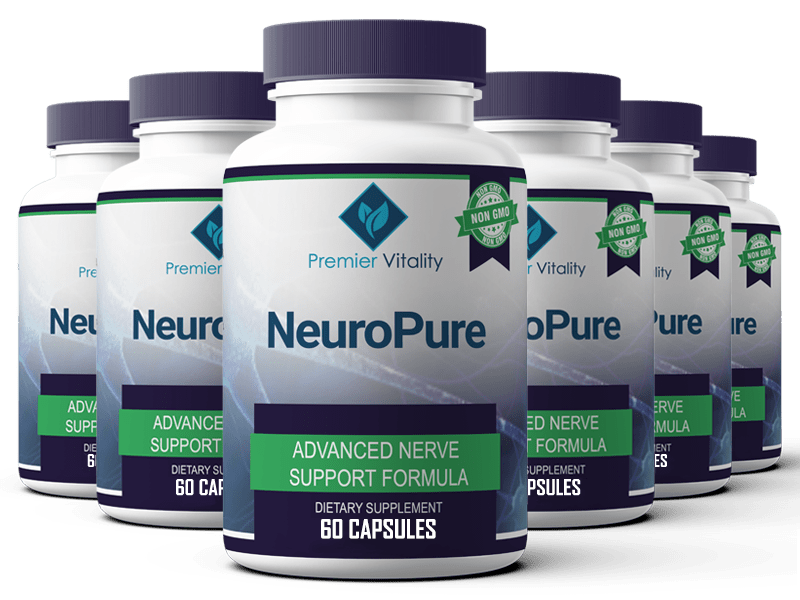
NeuroPure promotes healthy nerves by providing 5 vital bio-available fruit, flower and bark extracts with essential vitamin and mineral support. Learn more by clicking here >>

12/27/23

A Dietary Guide to Constipation Relief: What to Eat and What Not to


Constipation is a common digestive issue that can significantly impact your daily life. While there can be various causes for constipation, one effective way to alleviate its symptoms is through dietary changes. In this article, we'll explore the foods you should include in your diet to promote regular bowel movements and those you should avoid to prevent constipation.

Foods To Eat:

Fiber-rich Foods:

Incorporating high-fiber foods into your diet is essential for maintaining regular bowel movements. Include plenty of fruits, vegetables, whole grains, and legumes. These foods add bulk to the stool, making it easier to pass through the digestive tract.

Prunes and Prune Juice:

Prunes are well-known for their natural laxative effect. They contain sorbitol, a sugar alcohol that helps soften the stool and stimulate bowel movements. Consuming prunes or drinking prune juice can be a tasty way to relieve constipation.

Water:

Staying hydrated is crucial for preventing constipation. Water helps soften the stool, making it easier to pass. Aim to drink plenty of water throughout the day, and consider adding herbal teas or infused water for extra hydration.

Probiotic-rich Foods:

Probiotics are beneficial bacteria that promote a healthy gut. Yogurt, kefir, sauerkraut, and other fermented foods can help regulate bowel movements and improve overall digestive health.

Healthy Fats:

Including healthy fats in your diet, such as avocados, olive oil, and nuts, can help lubricate the intestines and ease the passage of stool.

Avoid This Foods:

Processed Foods:

Highly processed foods, such as fast food and packaged snacks, often lack the fiber needed for proper digestion. They can contribute to constipation and should be consumed in moderation.


Dairy Products:

Some individuals may be lactose intolerant, leading to constipation. If you suspect dairy is causing your constipation, try limiting or avoiding dairy products and opting for lactose-free alternatives.

Red Meat:

While red meat is a good source of protein, consuming it in excess may lead to constipation. Balance your diet with lean proteins from sources like poultry, fish, and plant-based alternatives.

Caffeine and Alcohol:

Both caffeine and alcohol can contribute to dehydration, which in turn can lead to constipation. Limit your intake of caffeinated and alcoholic beverages and make sure to compensate with extra water.

Refined Grains:

Foods made with refined grains, such as white bread and white rice, lack the fiber found in whole grains. Choose whole grains for better digestive health.

In summary:

A well-balanced diet plays a crucial role in preventing and alleviating constipation. By incorporating fiber-rich foods, staying hydrated, and avoiding certain foods that may contribute to constipation, you can promote a healthy digestive system and enjoy regular bowel movements. As always, it's essential to listen to your body and make gradual changes to your diet for long-term success in managing constipation.


Related topic:


Learn about this unusal nutrient to effortlessly
and fully empty your bowels every single morning >>